PVC Raw Material
Polyvinyl Chloride
LONG-LASTING AND DURABLE
What is PVC? What are its Advantages?
Polyvinyl Chloride (PVC) is the world's third most widely produced synthetic plastic polymer. Thanks to its structure consisting of carbon, hydrogen, and chlorine, it is inherently flame retardant. While pure PVC is very rigid and brittle, it can be manufactured in various forms, ranging from highly rigid (U-PVC) to highly flexible (P-PVC), by adding plasticizers.
- Extremely long-lasting and weather-resistant.
- Inherently flame retardant (Self-extinguishing).
- High resistance to chemicals (acids, bases, oils).
- Excellent mechanical strength and abrasion resistance.
- Outstanding electrical and thermal insulation properties.
- Cost-effective and highly recyclable.
SECTORAL SOLUTIONS
PVC Applications
With both its rigid (U-PVC) and flexible (P-PVC) forms, it is one of the fundamental building blocks of industry, especially the construction sector.
Construction & Profiles
Unrivaled in window frames, door profiles, roofing, water gutters, and exterior siding systems.
Pipes & Plumbing
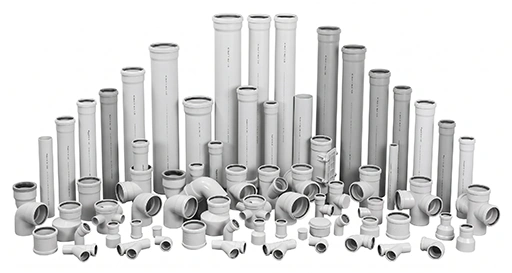
Heavily used in pressurized clean water pipes, wastewater and sewage systems, as well as agricultural irrigation plumbing.
Cable & Electrical
It is the standard material for the outer sheathing of electrical cables due to its flexible structure, non-flammability, and excellent insulation.
Flooring & Consumer
Preferred in vinyl floor coverings (e.g., in hospitals), synthetic leather production, hoses, medical tubes, and shoe soles.